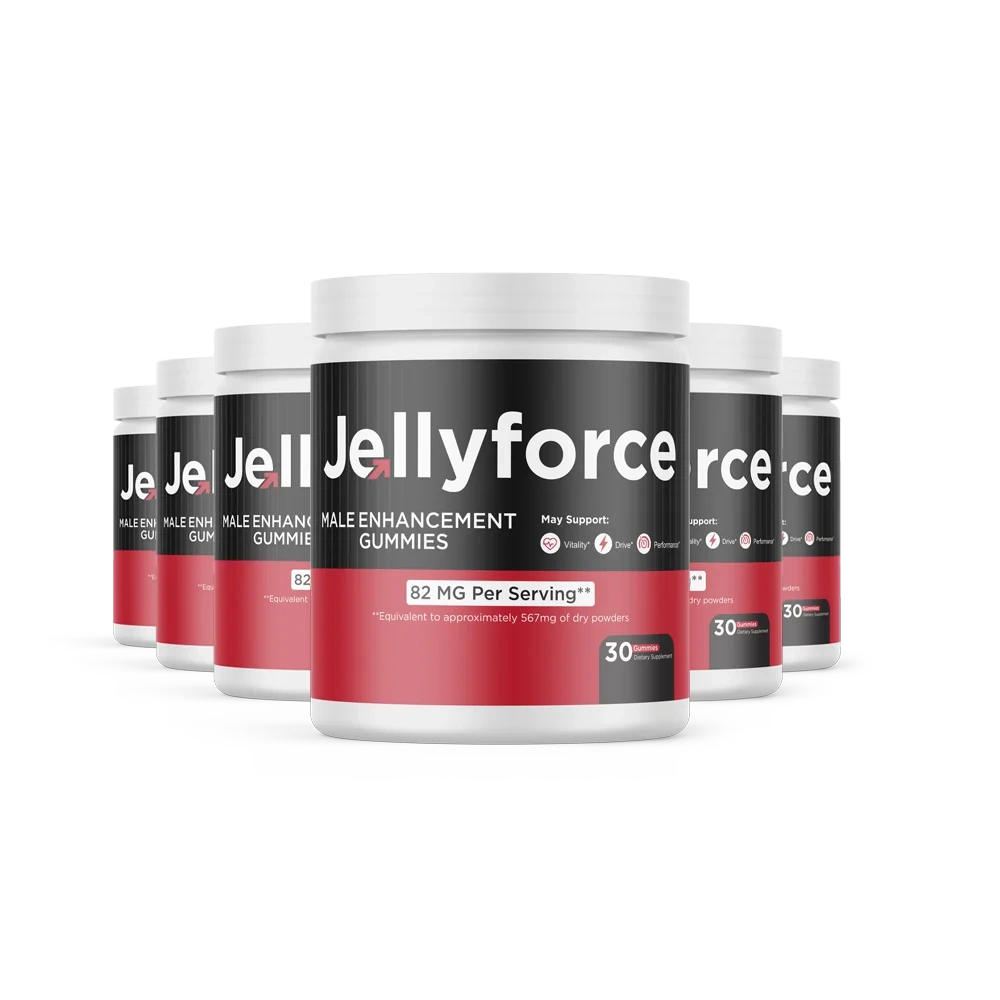
Jelly Force Official Website › Blog › Two Names With No Controlled Trial
Two Of The Nine Names On This Bottle Have No Controlled Human Trial
Muira puama leads the ingredient list and catuaba sits third. Between them they have a couple of centuries of reputation and not one controlled trial in a human being. That gap costs the product more than anything else on its panel, and a buyer is better off seeing it before paying than after.
What is being claimed, and who is claiming it
The Jelly Force Supplement Facts panel lists nine names in a fixed order, and the seller's ingredient graphic and written list repeat five of them: muira puama extract, maca extract, catuaba extract, ashwagandha, L-arginine. The seller's page gives each a one-line description. Muira puama is described as commonly used for male libido, energy and performance support. Catuaba is described as a traditional Brazilian herb associated with libido enhancement.
Both descriptions are accurate as statements about tradition. Neither is a statement about evidence, and it is worth noticing how carefully they are worded: commonly used, associated with. Nothing in either sentence claims a trial, because there is no trial to claim.
What follows is what the indexed literature actually contains for each, which is not nothing, and is not what a buyer would assume from the position these two names occupy on the list.
Muira puama: what the record actually holds
Muira puama is Ptychopetalum olacoides, an Amazonian shrub whose root and bark have been traded since the nineteenth century as marapuama or potency wood. Searching the indexed literature for a controlled trial of it in human beings returns nothing — not for sexual function, not for fatigue, not for anything else.
It does turn up in people twice, inside other products and without a placebo group: a one-month study of a muira puama and ginkgo formula in 202 women, and a three-month pilot in fifty-four men of a mixture that also held ginger, guarana and L-citrulline. Both compared people with their own starting point, and neither can say what muira puama did on its own.
What it does return is a body of work from a Brazilian pharmacology group, and the work is real. An extract inhibited acetylcholinesterase in mouse brain tissue, which is a genuine mechanism and the same one several dementia drugs use. The root's chemistry has been catalogued qualitatively and quantitatively, which is more than can be said for most tonic botanicals on the market.
And one finding deserves printing because it points the wrong way for a tonic. A behavioural study in mice found the extract was anxiogenic — anxiety-producing — rather than calming. That is a single animal study and it may mean nothing at a dose a human being would take. It still belongs beside the flattering animal studies, because a record that keeps only the results pointing one way is not a record at all.
- Controlled human trials: none in the indexed literature; it appears in people only inside two uncontrolled multi-herb studies.
- Animal work: cholinesterase inhibition, neuroprotection in tissue slices, and one anxiogenic behavioural result.
- Chemistry: properly characterised, which rules out the commonest problem with traded botanicals.
- Position on the panel: first of nine.

Catuaba: rodent pharmacology and one awkward finding
Catuaba is harder to pin down than muira puama, because the name is a trade description rather than a species. At least two unrelated plants are sold under it commercially. The published pharmacology works on Trichilia catigua, so that is the plant this website names — and a label saying only catuaba is naming a market category.
The rodent record is genuine. A 2005 study in Psychopharmacology found antidepressant-like effects in mice with evidence for a dopaminergic mechanism, which is at least a plausible route to something a buyer would notice. A later study found antioxidant, anticholinesterase and antifatigue effects in rodents. Its one appearance in people is a twenty-eight-day safety study of Catuama, a Brazilian tonic that mixes catuaba with muira puama, guarana and ginger. It watched healthy volunteers for toxicity, found no severe reaction, and measured no benefit.
There is also a finding no page selling this bottle has any business omitting. A 2015 study in the Journal of Ethnopharmacology found that exposure to crude catuaba extract impaired fertility in adult female rats, while not causing reproductive damage in male offspring. This product is sold to adult men and the doses in that study bear no relation to a gummy, so it is context rather than a warning. It is also one more reason this is not a bottle to share, and it is the kind of thing this desk would want to have been told rather than to discover.
| Name on the label | Human trials | What exists instead | Position |
|---|---|---|---|
| Muira Puama Extract | None of its own | Mouse and tissue pharmacology; two uncontrolled mixture studies | First of nine |
| Maca Extract | Three randomised trials | 1,500 to 3,000 mg a day | Second |
| Catuaba Extract | None of its own | Rodent pharmacology, a rat fertility finding, one mixture safety study | Third |
| Green Tea Extract | Not on sexual function | A liver-safety file at high intakes | Fourth |
| Caffeine | Not on sexual function | 5 mg, the one amount printed | Fifth |
| Ashwagandha | Several randomised trials | 600 to 675 mg a day | Sixth |
| L-Arginine | Meta-analysed | 1,500 to 5,000 mg a day | Seventh |
| Tribulus Terrestris | Randomised trials, mixed | 1,500 mg a day in the positive one | Eighth |
| Horny Goat Weed Extract | None on sexual function | Test-tube PDE5 work and a rat study | Ninth |
The two names with no controlled human trial sit first and third. Maca, second, has three randomised trials; the other three names with controlled results sit sixth, seventh and eighth, below the caffeine.
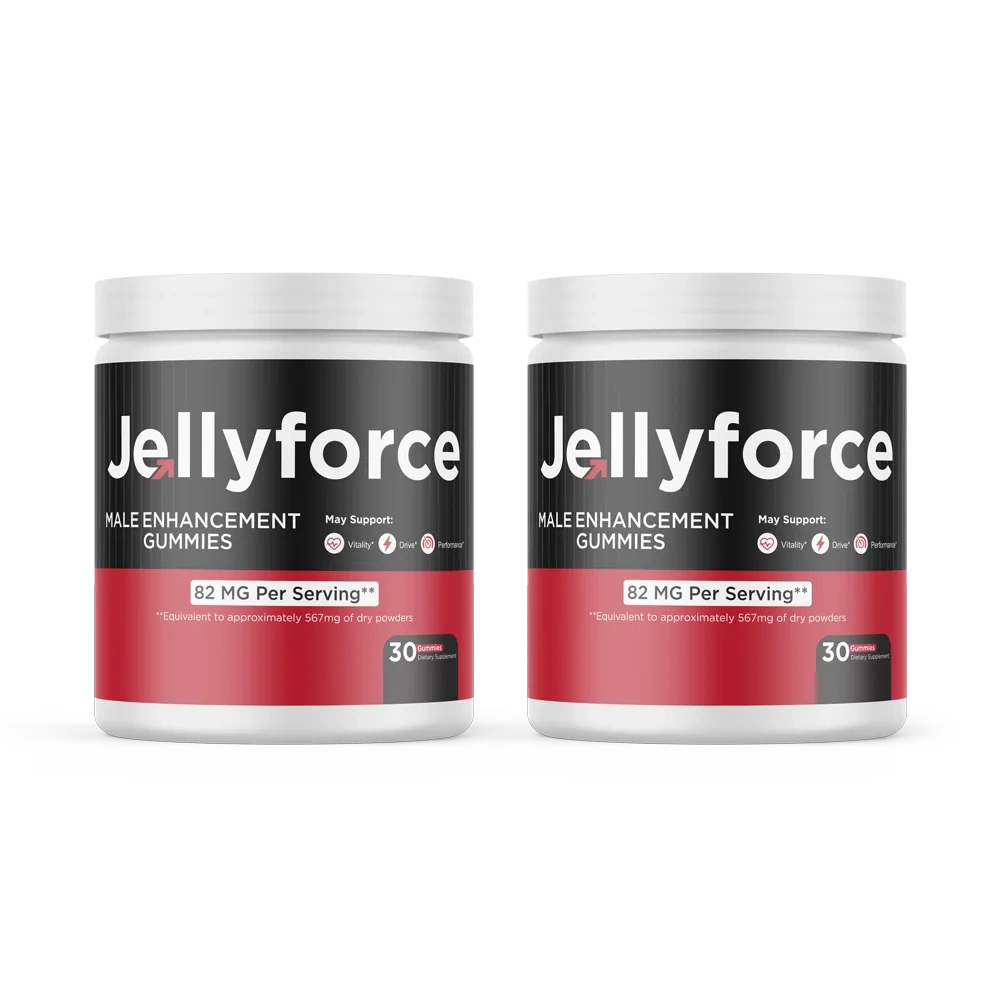
Everything above is on the Jelly Force ingredients page too
Nine names, nine records, and the trial dose beside each. The bottle is sold with all of that printed, and there are 60 days from purchase to decide what it is worth.
From $158 for two bottles to $294 for six, with 60 days on all three
Choose A Jelly Force PackChewed, one a day, 30 to a bottle. Batch JEL-26/JE-2800, shipped from the United States.
Why the weakest names lead the panel
On a seller's graphic, the order of the names is a design choice. On a Supplement Facts panel it is not: the federal rule for proprietary blends requires the ingredients inside one to be declared heaviest first.
So if this panel follows the rule, muira puama is the largest share of the blend and catuaba the third largest. Three of the four names carrying controlled results sit lower: ashwagandha, arginine and tribulus all come after the 5 mg of caffeine, which puts each of them at 5 mg or less. That is a ceiling read from the printed order rather than a measurement, and it is still the most telling fact on the panel.
Why a formula would be weighted that way is the manufacturer's to explain. What matters to a buyer is the effect: on this panel the weight and the evidence mostly run in opposite directions, and the first name is the one with the least behind it.
Read the Jelly Force label in the order the evidence runs
Second, sixth, seventh and eighth on the panel carry the controlled trials. First and third carry the reputations. The ingredients page sets out all nine.
From $158 for two bottles to $294 for six, with 60 days on all three
Choose A Jelly Force PackChewed, one a day, 30 to a bottle. Batch JEL-26/JE-2800, shipped from the United States.
What traditional use is actually worth
It is worth something, and pretending otherwise is its own kind of dishonesty. A plant used in one form for two centuries by people who had every incentive to notice whether it worked is a reasonable candidate for investigation. That is how a great many drugs started.
What it is not is a finding. Traditional use tells you a hypothesis is worth testing; it does not tell you the hypothesis survived the test, because in these two cases the controlled test has not been run. The gap between those two statements is where most of the marketing in this category lives.
The category-level version of this is measurable. An audit published in Nutrients scored marketed erectile-dysfunction supplements against the minimum effective daily dose of each ingredient they named, and found most of the market naming rather than dosing. Names with no dose at all are the extreme case of the same habit.
What to do with this information
Not necessarily anything dramatic. Most of the nine names on this bottle have human evidence of some kind, the product prints a full Supplement Facts panel, and the format is the kind people actually keep up. Two names with no controlled trials do not make a product fraudulent; they make a specific part of its pitch unsupported.
- Do not buy it for the first name on the list. If muira puama is the reason you are interested, there is no controlled human evidence to be interested on behalf of.
- Do weigh the names that do have evidence. Maca, ashwagandha, arginine and tribulus carry the trials, and the dose question on the label page applies to all four.
- Do not treat animal pharmacology as a smaller version of a human trial. It is a different kind of evidence and most of it does not survive translation.
- Do notice which pages tell you this. A product page with a glowing line for every ingredient and no note about which have been tested is telling you something about the page, not about the bottle.
What would change this article
It is worth being explicit about what evidence would move muira puama or catuaba out of the untested column, because a criticism with no exit is just a position.
- A randomised placebo-controlled trial in men, at a stated dose, with a pre-specified outcome. Even a small one. The maca literature is three such trials and it is enough to make maca the best-evidenced botanical here.
- A published pharmacokinetic study in people. Knowing what reaches the bloodstream, and at what dose, would at least establish that an oral route does anything.
- A standardisation marker. If the trade settled on a compound to measure, products could be compared with each other, which is currently impossible.
- For catuaba, a species definition. The name covers at least two unrelated plants, so even a good trial would only apply to labels naming the same one.
Until any of that exists, the honest description of both is a well-regarded traditional botanical with animal pharmacology and no controlled human outcome data of its own. This page will be updated if it changes, and the review date at the foot of it will move when it does.
Because the alternative is a website that agrees with its own label on every point, and nobody should believe one of those about anything. The about page lists the other things printed here that cost this desk money, including the recommendation to buy the smallest pack.
Jelly Force is a dietary supplement, not a treatment for anything. A change in erectile function that arrives suddenly, or arrives alongside chest pain or leg pain on walking, can be the first visible sign of a vascular problem, and it is a reason to make an appointment rather than to start a gummy. The NIDDK page on erectile dysfunction sets out plainly what is treatable and how, and it takes about four minutes to read.
References
- Siqueira IR, Fochesatto C, da Silva AL, et al. Ptychopetalum olacoides, a traditional Amazonian "nerve tonic", possesses anticholinesterase activity. Pharmacol Biochem Behav. 2003;75(3):645-50. Mice, not people. PMID 12895682. https://pubmed.ncbi.nlm.nih.gov/12895682/
- da Silva AL, Bardini S, Nunes DS, Elisabetsky E. Anxiogenic properties of Ptychopetalum olacoides Benth. (Marapuama). Phytother Res. 2002;16(3):223-6. PMID 12164265. https://pubmed.ncbi.nlm.nih.gov/12164265/
- Tian X, Guo S, He K, et al. Qualitative and quantitative analysis of chemical constituents of Ptychopetalum olacoides Benth. Nat Prod Res. 2018;32(3):354-357. PMID 28750557. https://pubmed.ncbi.nlm.nih.gov/28750557/
- Waynberg J, Brewer S. Effects of Herbal vX on libido and sexual activity in premenopausal and postmenopausal women. Adv Ther. 2000;17(5):255-62. 202 women, a combined muira puama and Ginkgo biloba product for one month, rated against their own baseline with no placebo group. PMID 11186145. https://pubmed.ncbi.nlm.nih.gov/11186145/
- Nguyen S, Rajfer J, Shaheen M. Safety and efficacy of daily Revactin in men with erectile dysfunction: a 3-month pilot study. Transl Androl Urol. 2018;7(2):266-273. Fifty-four men given a stated total daily dose of 500 mg of ginger root, muira puama and Paullinia cupana with 1,600 mg of L-citrulline; no placebo group, and one author held stock in the supplier and a pending patent on the product. PMID 29732286. https://pubmed.ncbi.nlm.nih.gov/29732286/
- Campos MM, Fernandes ES, Ferreira J, et al. Antidepressant-like effects of Trichilia catigua (Catuaba) extract: evidence for dopaminergic-mediated mechanisms. Psychopharmacology (Berl). 2005;182(1):45-53. PMID 15991001. https://pubmed.ncbi.nlm.nih.gov/15991001/
- Dos Santos AH, Ramos AC, Silveira KM, et al. The exposure to Trichilia catigua (catuaba) crude extract impairs fertility of adult female rats but does not cause reproductive damage to male offspring. J Ethnopharmacol. 2015;166:86-91. PMID 25792016. https://pubmed.ncbi.nlm.nih.gov/25792016/
- Oliveira CH, Moraes ME, Moraes MO, et al. Clinical toxicology study of an herbal medicinal extract of Paullinia cupana, Trichilia catigua, Ptychopetalum olacoides and Zingiber officinale (Catuama) in healthy volunteers. Phytother Res. 2005;19(1):54-7. Twenty-eight days of the mixture, watched for toxicity; no severe adverse reaction, and no benefit measured. PMID 15798997. https://pubmed.ncbi.nlm.nih.gov/15798997/
- Code of Federal Regulations, Title 21, section 101.36(c)(2): the dietary ingredients in a proprietary blend are declared in descending order of predominance by weight. Legal Information Institute, Cornell Law School. https://www.law.cornell.edu/cfr/text/21/101.36
- Petre GC, Francini-Pesenti F, Vitagliano A, et al. Dietary Supplements for Erectile Dysfunction: Analysis of Marketed Products, Systematic Review, Meta-Analysis and Rational Use. Nutrients. 2023;15(17):3677. Marketed blends were scored against the minimum effective daily dose of each ingredient; two of the products examined cleared it. PMID 37686709. https://pubmed.ncbi.nlm.nih.gov/37686709/